You might have a gorgeous storefront, loyal customers, and the perfect product display—but if people nearby can’t find you online, are you even on their radar? This year, with so many shoppers searching from their phones before ever stepping outside, the question isn’t whether local SEO matters for brick-and-mortar businesses. The real question is: Can you afford to ignore it any longer?
Let’s strip back the buzzwords and marketing jargon. If you run a retail shop, a restaurant, a dental office, or any business with a physical address, your digital presence now works as your virtual doormat. Here’s why local SEO isn’t just another marketing trend—it’s become the backbone of brick-and-mortar success.
Why Local SEO Has Shifted from “Nice-to-Have” to Non-Negotiable for Brick-and-Mortar
Once upon a time, word-of-mouth and foot traffic from the street kept your business humming. Now, over 80% of consumers search online for local businesses each week. They want answers—fast. “Is there a pizza place open near me?” “Best pet supply store downtown.” They’re not digging through the Yellow Pages; they’re tapping Google Maps, reading reviews, checking hours. If your store doesn’t show up, you’re invisible. It’s that simple.
But it goes deeper. Local SEO for physical stores isn’t about gaming the algorithm—it’s about showing up where your real-world customers are already looking, whether they’re ready to buy today or just browsing for later. And that’s not just theory; it’s how people actually shop now, especially post-pandemic, when “shop local” has become a rallying cry for communities across the US.
What Exactly Is Local SEO—and What’s In It for Physical Locations?
At its core, local SEO is about optimizing your digital footprint to make your business findable for people searching in your area. It connects your brick-and-mortar location to the online world—think of it as putting a big, bright sign on the web that points people straight to your door.
Key pieces of the puzzle include:
- Google Business Profile—Claiming and optimizing your listing to control how you appear on Search and Maps.
- Consistent NAP (Name, Address, Phone Number)—Everywhere your business appears online, this info needs to be accurate.
- Customer Reviews—Responding to and encouraging feedback to build trust (and, let’s be honest, to stand out from the competition).
- Local Citations—Ensuring your business details are correct across directories and websites.
- Locally Relevant Content—Blog posts, events, or updates that speak to your local audience.
These may sound simple, but when combined, they create a powerful network that guides people straight to your physical location.
How Local SEO Directly Drives Foot Traffic and Sales
It’s easy to get lost in the weeds of marketing metrics, but here’s the bottom line: Local SEO translates into more people walking through your doors. Don’t just take the experts’ word for it—look at your own habits. Ever whipped out your phone to find a “hardware store near me” or checked which café is open late? Exactly. Your future customers are doing the same.
Let’s break down how local SEO works in your favor:
- Google Maps for stores: A well-optimized profile means your store appears on the map when someone searches nearby. It’s the difference between being on the main street or a back alley—digitally speaking.
- Positive reviews and updated info: When people see accurate hours, real photos, and glowing reviews, their decision is made before they even step inside.
- Enhanced visibility for “near me” searches: Local SEO ensures you show up at the exact moment potential customers are ready to buy.
If you want to see how visible your business really is, try running a quick audit with these practical local SEO tools—sometimes the results are eye-opening.
The Competitive Reality: Standing Out Against Big Brands and Local Rivals
Some business owners feel they can’t compete with giants like Amazon or Walmart online. Here’s what’s often missed: in local search, big brands don’t always dominate. Google’s “Local Pack” and Maps show the most relevant and nearby businesses—regardless of size—based on proximity, relevance, and reputation.
This means a small bakery, a family-owned salon, or an independent auto shop can rank right alongside (or above) big names if their local SEO is dialed in. In fact, local SEO levels the playing field, helping local businesses punch above their weight in their own community.
Let’s not sugarcoat it though. Your direct rivals on the next street over are probably hustling on their own local SEO. If you’re not, you’re handing them new customers on a silver platter.
Core Elements of an Effective Local SEO Strategy for Physical Stores
No need to overcomplicate things. Here’s what actually moves the needle for brick-and-mortar marketing:
1. Google Business Profile: Your Virtual Storefront
Claim it. Fill out every field. Add high-quality photos. Update hours regularly (especially during holidays). Respond to reviews—yes, even the tough ones. This profile is often the first thing customers see and is crucial for Google Maps for stores visibility.
2. NAP Consistency: The Devil’s in the Details
Your Name, Address, and Phone Number should appear the same everywhere—website, directories, social media. Even a missing suite number can cause confusion or lower your rankings. Use a NAP generator if you’re not sure what’s floating around online.
3. Local Citations & Directories: Don’t Skip the Basics
Sites like Yelp, Apple Maps, Bing Places, and industry directories all matter. Claim your listings, ensure accuracy, and clean up duplicates. It may feel tedious, but it’s foundational for trust—both with search engines and customers.
4. Reviews: The Modern Word-of-Mouth
Encourage happy customers to leave reviews. Respond (politely) to all feedback. Think of reviews as your business’s reputation currency—one that Google weighs heavily. Tools like a review reply generator can help craft responses if you’re short on time or words.
5. Website Optimization: Local Content, Schema, and Mobile Experience
Make sure your website loads fast, looks good on mobile, and clearly lists your location(s). Add local-focused content—think blog posts about neighborhood events, FAQs about your services, or even a simple local business schema using a schema generator. Every little bit helps Google connect your site to local intent.
6. Engaging, Locally Relevant Content
Share updates, stories, or tips that resonate with people in your area. This could mean spotlighting a local event, featuring regular customers, or offering advice tailored to your city’s quirks. It’s not just about search rankings—it’s about building a brand people recognize and trust.
Common Pitfalls: Where Physical Stores Go Wrong with Local SEO
Let’s be honest. Local SEO isn’t rocket science, but it’s easy to get sidetracked by flashy tactics or neglect the basics. Here are classic slip-ups brick-and-mortar businesses make:
- Poor or outdated Google Business Profile (missing hours, old photos, or incorrect address).
- Inconsistent NAP across platforms—confuses customers and search engines alike.
- Ignoring reviews—both the bad and the good.
- Neglecting mobile optimization (slow sites drive people away, period).
- Not leveraging local content or neighborhood-based keywords.
Each of these mistakes is 100% fixable, often with minimal effort or outside help. But left unchecked, they can quietly bleed away opportunities every single week.
Integrating Local SEO with Traditional Brick-and-Mortar Marketing
Think of local SEO as the digital extension of your storefront sign, your word-of-mouth network, and your flyer on the community board—all rolled into one. It doesn’t replace traditional marketing; it multiplies its impact.
A few examples:
- Hosting an in-store event? Share it on your website, Google Business Profile, and social channels using local keywords.
- Launching a seasonal product? Highlight it in a post optimized for your neighborhood or town.
- Getting rave reviews? Feature them on your site and showcase them in-store.
Physical presence plus digital visibility equals far more touchpoints with your local audience—and more chances to turn intent into real sales.
Measuring the Real-World Impact of Local SEO
Not everything that matters can be measured, but local SEO comes close. Here’s where to look for tangible results:
- Google Business Profile Insights: Track views, calls, direction requests, and photo engagement.
- In-store Traffic: Ask new customers how they found you. You’ll be surprised how many say, “I saw you on Google.”
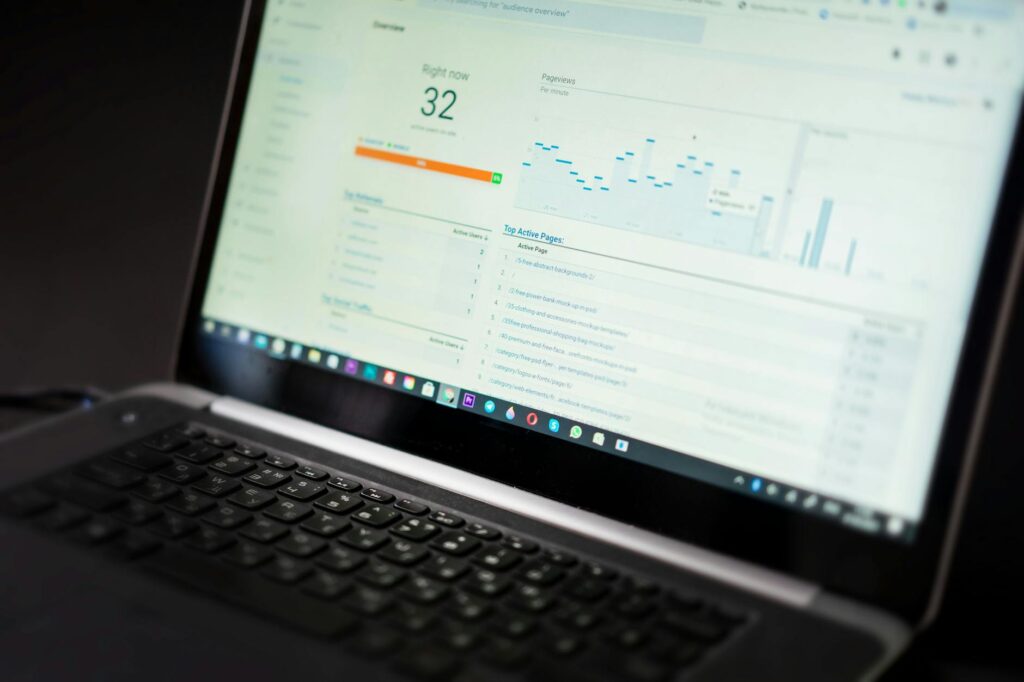
- Website Analytics: Look for rises in local visits, especially from mobile devices.
- Sales Data: Track revenue around key local SEO improvements or campaigns.
Pro tip: Use a Google Business Profile audit to benchmark your starting point and track progress over time.
Future-Proofing: Keeping Your Local SEO Moving as Search Evolves
Local SEO isn’t static. Google tweaks its algorithms, new directories pop up, and customer expectations shift. Staying on top means revisiting your strategy at least quarterly. Are your business hours correct? Have you responded to recent reviews? Has local competition changed?
Also, don’t underestimate the power of new tools. Platforms like local keyword generators and business profile post generators can help you keep things fresh without burning hours you don’t have.
Conclusion: Local SEO Isn’t Optional—It’s the Lifeline for Modern Brick-and-Mortar
To sum it up: If you want to keep your doors open, grow your customer base, and thrive in an age of digital-first discovery, local SEO is absolutely essential for brick-and-mortar businesses. It’s not just about search rankings—it’s about being present and relevant where your community is looking for you, both online and off.
Whether you’re just starting out or tightening up your approach, prioritizing local SEO for physical stores isn’t a tech trend. It’s how you ensure your shop, restaurant, clinic, or salon stays part of the neighborhood conversation, now and in the future.
Ready to get started? Explore these practical solutions: Local SEO tools for every step—from audits to review replies and everything in between.
FAQs: Local SEO for Brick-and-Mortar Businesses
Is local SEO really different from regular SEO?
Yes. Local SEO focuses on ranking for searches with local intent (“near me”, city names, or neighborhood references) and leverages features like Google Maps, local packs, and reviews—crucial for physical stores.
How quickly can I see results from local SEO?
Some improvements (like updating your Google Business Profile) can boost visibility in days or weeks, but building reputation and ranking often takes a few months. It’s a long game, but even small wins add up.
Do I need a website if I have a Google Business Profile?
Technically, no—but having a website massively improves credibility, offers more information, and supports better rankings. The best results come from combining both.
Are reviews really that important?
Absolutely. Positive, recent reviews influence both search rankings and customer decisions. Responding to all reviews—good or bad—signals that you care about feedback.
Can I manage local SEO myself, or do I need an agency?
Many basics (like claiming profiles, updating info, and encouraging reviews) can be handled in-house, especially with the help of purpose-built tools. For advanced strategies, outside help can be useful, but isn’t mandatory for most brick-and-mortar businesses.
Where do I start if I’m overwhelmed?
Begin with the essentials: Google Business Profile, consistent NAP, and reviews. Use audit tools to check your current status, then prioritize fixes based on what’s most out-of-date or inconsistent.