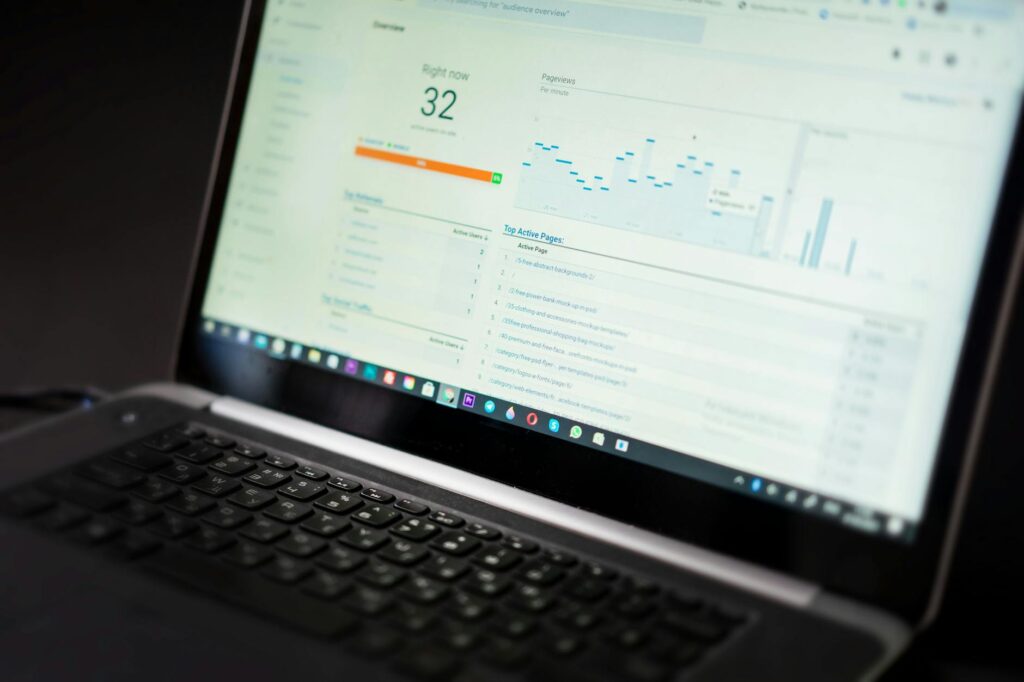
Have you ever typed “best pizza near me” or looked up a plumber in your city—and wondered how certain businesses magically appear at the top of Google Maps or right under that little map with the stars? If you run a local business, you’ve probably asked yourself: what is local SEO services and how can they help you show up where it matters most?
Let’s look a little deeper. Local SEO services are the set of digital marketing strategies designed to make your business more visible to people searching in your area. But what does that really mean for you? What does a local SEO company actually do? And—perhaps most importantly—what should you expect to see in your deliverables if you’re paying for one of these packages?

Grab your coffee, because we’re about to demystify the world of local SEO service meaning, unpack what’s included, and help you make sense of the options available in 2026.
What Is Local SEO? (And Why Should You Care?)
Before diving into services, let’s get the basics down. Local SEO (short for “local search engine optimization”) is all about improving your business’s visibility when people search for products or services in a specific geographic area. Think of it as the digital equivalent of putting your business on the busiest street corner in town—except the “street” is Google search results, Google Maps, and even voice assistants like Siri or Alexa.
Why does this matter? Because, according to Google, searches with local intent (“near me”, city names, or zip codes) have exploded. And when people search locally, they’re ready to act—often within hours or even minutes. If your business doesn’t show up, your competitors are getting those customers. Ouch.
Local SEO Service Meaning: What Does It Actually Include?
So, what does a local SEO service really mean? In simple terms, it’s a bundle of strategies and tasks that aim to get your business to rank higher for location-based searches. But don’t be fooled into thinking it’s just about Google Maps. (If only!) Local SEO is a multi-layered process that blends technical optimization, strategic content, and reputation management.
Here’s what’s typically included in local SEO packages—along with a breakdown of why each part matters:
- Google Business Profile (GBP) Management: Claiming, optimizing, and maintaining your GBP so you show up in Google Maps and the local pack. This means making sure your hours, address, phone, and services are accurate and attractive. (It’s your new digital storefront.)
- Local Citations: Ensuring your business’s name, address, and phone number (NAP) are consistent across dozens of online directories—think Yelp, Apple Maps, Bing, and niche sites. Inconsistencies here can seriously hurt your rankings.
- Review Generation & Management: Helping you get more positive customer reviews, responding to feedback, and professionally addressing negative reviews. Google (and customers!) trust businesses with more and better ratings.
- Localized Website Content: Updating your website’s pages, meta-tags, and blogs to target location-based keywords (for example, “emergency dentist in Austin”). This isn’t just stuffing city names everywhere; it’s about creating content that feels genuinely useful to your neighbors.
- Local Link Building: Earning backlinks from other local businesses, news sites, event pages, and community organizations. These links boost your credibility in Google’s eyes. (Think of them as digital word-of-mouth.)
- On-Page SEO for Local: Making sure your website loads fast, is mobile-friendly, and has all the right signals to help Google understand you’re local and relevant.
- Schema Markup & Structured Data: Adding code to your site so search engines can easily display your business info (think address, reviews, services) in search results.
- Reputation and Review Response Tools: Using automation or templates (like the Review Reply Generator) to streamline how you engage with reviews, keep up with customers, and stay ahead of your competitors’ ratings.
Each of these elements works together to improve your chances of showing up in those all-important local results—especially when someone’s ready to buy right now.
How Local SEO Differs from Traditional SEO
“So it’s just SEO, but with city names, right?” If only! Local SEO has its own set of rules. While traditional SEO is about ranking for keywords everywhere (think “best running shoes”), local SEO is laser-focused on reaching nearby customers (think “running shoes store in Miami”).
- Proximity: Local SEO prioritizes how close your business is to the searcher. Google’s local algorithm looks for businesses that are not just relevant, but nearby.
- Relevance: Google checks if your business actually matches what the user’s looking for based on categories, services, and descriptions.
- Prominence: This refers to how well-known and trusted you are. Reviews, local links, and even news mentions help boost this signal.
Traditional SEO, on the other hand, is more about the content quality, backlinks, and authority on a national or global scale—without that local “neighborhood” filter.
The Core Deliverables: What Should Every Local SEO Service Include?
Not all local SEO packages are created equal. If you’re comparing providers, here’s a checklist of deliverables you should always expect (and ask about):
- Google Business Profile Optimization
- Claiming and verifying your profile
- Optimizing categories, services, photos, and business description
- Adding regular posts and updates (Google loves active profiles)
- Tracking analytics and insights
- Local Citation Building & Cleanup
- Auditing your existing citations for errors
- Submitting your business to new, relevant directories
- Fixing inconsistencies in NAP data
- Review Strategy & Management
- Setting up review request campaigns (via SMS or email)
- Monitoring new reviews across all major platforms
- Responding to both positive and negative feedback
- On-Site Local SEO
- Optimizing title tags, meta descriptions, headers with local keywords
- Creating or enhancing location pages and service area content
- Embedding Google Maps and structured data (schema)
- Local Link Building
- Securing links from local directories, chambers of commerce, and community events
- Building partnerships or sponsorships for local exposure
- Reporting & Strategy Adjustments
- Monthly performance reports—rankings, traffic, calls, reviews
- Ongoing strategy tweaks based on competitor moves or algorithm changes
Some agencies may also include extras like competitor benchmarking, AI-driven audits, or advanced local schema generation—often via handy tools such as those found at Tooleros’ local SEO solutions.
What Types of Businesses Need Local SEO Services?
If you’re still wondering if local SEO is relevant for your business, here’s the truth: if you serve customers in a specific area—yes, it matters.
Some classic examples:
- Restaurants, cafes, and bars
- Medical practices, dentists, and urgent care centers
- Home service providers (plumbers, electricians, landscapers)
- Retail stores with physical locations
- Law firms, accountants, insurance agents
- Multi-location businesses or franchises
Even if you travel to customers—think mobile pet groomers, cleaning services, or event planners—local SEO helps you target neighborhoods, cities, or service areas where you operate. If you want to be found by people close enough to become customers, this is your game.
Understanding Local SEO Packages: What’s the Difference?
Ever wondered why local SEO pricing varies so much? Packages can range from basic DIY tools to full-service management. Here’s what typically separates them:
- Starter/Basic Packages: Focus on the essentials—Google Business Profile setup, a handful of directory listings, and basic review monitoring. Good for new or very small businesses.
- Standard Packages: Add on more directories, some content optimization, and ongoing reputation management. Often includes monthly reporting and simple competitor tracking.
- Advanced/Professional Packages: More hands-on service: multi-location management, aggressive link building, custom content, AI audits, review campaigns, and detailed analytics. Designed for businesses in competitive markets or with multiple locations.
Pro tip: Always ask for a clear list of tasks and deliverables before signing a contract. If it sounds vague, it probably is. Quality local SEO is all about consistent action and transparent reporting.
What Local SEO Includes in 2026: New Trends & Must-Haves
The basics haven’t changed, but local SEO in 2026 brings a few new twists you’ll want to watch for:
- AI-Powered Audits and Optimization: Tools that analyze your Google Business Profile, optimize your descriptions, suggest new keywords, and even automate review replies for more efficiency. (Yes, the robots are here to help!)
- Voice Search Optimization: More searches happen via Siri, Alexa, and Google Assistant. Local SEO strategies now consider how people speak when searching, not just what they type.
- Advanced Local Schema: Structured data is key for getting noticed in Google’s evolving search results and new AI-powered experiences. Schema generators take the guesswork out of tagging your business info.
- Photo and Video Content: Google’s algorithm increasingly favors businesses that regularly update images and videos—not just text.
- Hyperlocal Targeting: It’s not just about the city anymore; it’s about neighborhoods, districts, and even cross streets. Your strategy should reflect this granularity.
Want to try some of these innovations? Explore resources like the Tooleros local SEO toolkit for smart automation and new best practices.
Local SEO FAQs: Answers to the Most Common Questions
Does every business need local SEO services?
If you want to attract customers or clients in a specific area, local SEO is a must. The only exception? Fully online businesses with no local presence. For everyone else, it’s essential for growth and visibility.
How long does it take to see results?
This depends on your market, competition, and how much optimization has already been done. Many businesses see improvements in 1-3 months for Google Business Profile, but organic website results may take 3-6 months—or longer for highly competitive industries.
Can I do local SEO myself?
Absolutely, especially for the basics. Claim your Google profile, check your listings, ask for reviews, and create local content. But as your business grows or competition increases, professional help (or advanced tools) can save you time and deliver better results.
How do I know if my local SEO is working?
Look for more calls, website clicks, direction requests, and—most obviously—higher rankings in local search and Google Maps. Reliable providers will also give you monthly reports tracking these metrics.
Are reviews really that important?
Yes! Google has repeatedly stated that reviews are a key local ranking factor. Plus, 80%+ of consumers read reviews before choosing a business. More (and better) reviews = more trust and higher rankings.
Final Thoughts: Choosing the Right Local SEO Service for Your Business
Let’s be honest: local SEO isn’t magic, but when done right, it’s the closest thing you’ll find to “free advertising” for your business. The right local SEO services bring higher visibility, more calls, increased foot traffic, and a stronger reputation—all from people who are nearby and ready to buy.
Whether you’re starting from scratch or looking to outpace your competition, remember: Consistency is king. Choose a provider with transparent deliverables, ask questions, and don’t be afraid to use the latest tools to stay ahead.
Ready to take your local presence to the next level? Explore smart solutions, experiment with new tools, and keep your focus on what matters—connecting with real customers in your community. That’s what local SEO services are all about.